How to Avoid Crypto Scams in 2026: Complete Guide
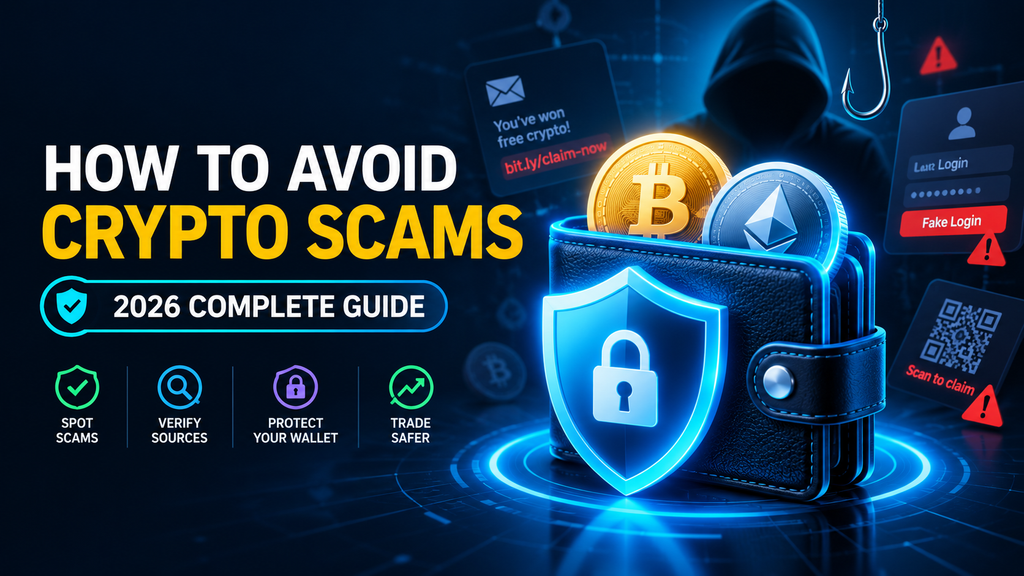
How to Avoid Crypto Scams in 2026: Complete Guide. as the crypto industry continues to evolve at an unprecedented rate, scammers are now adapting their old tactics to new realities to extract wealth from the unsuspecting investors. With the rise of institutional adoption, altcoins, and digital wallets in 2026, the methods of fraud and extortion are now more sophisticated than ever. The classic advance-fee deception or double-your-bitcoin-scheme is now replaced by AI-generated deepfakes and phishing links.
In this article, we will review the different types of crypto-related scams and give a detailed guide on how to avoid becoming a victim.
Why Are How to Avoid Crypto Scams Growing So Fast?
Whenever an industry combines large amounts of money with hype, fraud tends to grow right alongside it. In crypto’s case, three factors are particularly responsible:
- Misuse of decentralization — In traditional banking, fraud usually comes with a chargeback or reversal option. Crypto transactions are mostly irreversible, which means low risk and high reward for scammers.
- A flood of new investors — Every bull run brings in new users with limited technical knowledge who tend to make emotional decisions.
- Easy access to AI tools — Anyone can now build a professional-looking fake website, fake wallet app, or a deepfake video of a celebrity within minutes.
The Most Common Crypto Scams of 2026
Fake Wallet Apps
Apps like Trust Wallet, MetaMask, or Coinbase Wallet can be imitated by fraudsters. The counterfeit applications appear exactly like the original ones in App Store or Google Play. However, they are designed to steal the secret seed phrase of the user’s wallet right after installing the fake application.
How to protect yourself from it: install the app only from the official website of the wallet/application and double-check everything before installation.
Phishing Links and Fake Airdrops
Fake links look like working invites to claim free airdrop tokens. In fact, they contain a phishing site address designed to lure users into connecting their crypto wallet to the fraudulent website phishing.
How to avoid phishing links: do not click on suspicious links in Telegram channels, Discord servers, Twitter/X, etc. Do not connect your crypto wallet to unknown sites. If you are not 100% sure that the link is safe, double-check it.
Pump and Dump Schemes
Pump and dump schemes are popular among fraudsters in 2026 as well. They usually have a short lifespan and are used to artificially increase the value of a particular coin.
How to protect yourself from it: always do your research before buying any coin or token. Check the coin’s liquidity, number of holders, and project team.
Romance and Investment Scams (“Pig Butchering”)
There is no doubt that romance scams involving investments in crypto are on the rise in 2026. In this case, scammers initiate contact with the victim via dating services or other social networks and spend a considerable amount of time building a romantic relationship. Further, fraudsters convince the victim to invest in a crypto wallet or project managed by the scammer.
This scam is especially dangerous because it takes a long time to build trust between the scammer and the victim. That is why it is so challenging to give up on the promised millions of dollars in profit, despite the suspicious circumstances of the appearance of the crypto wallet.
How to protect yourself from it: do not believe in love at first sight, especially when it is related to any investment. If the potential partner demonstrates a suspicious interest in your crypto investments, double-check the suspicious account.
Deepfake Endorsements
Fraudsters use deepfake technology to create videos of celebrities endorsing their crypto services or products. It makes them more attractive to the target audience. In reality, behind such promotions, there are usually scam crypto companies that mislead customers with celebrity endorsements.
How to protect yourself from it: pay attention to any promotion of crypto projects with celebrity endorsements.
Practical Ways to Keep Your Crypto Safe
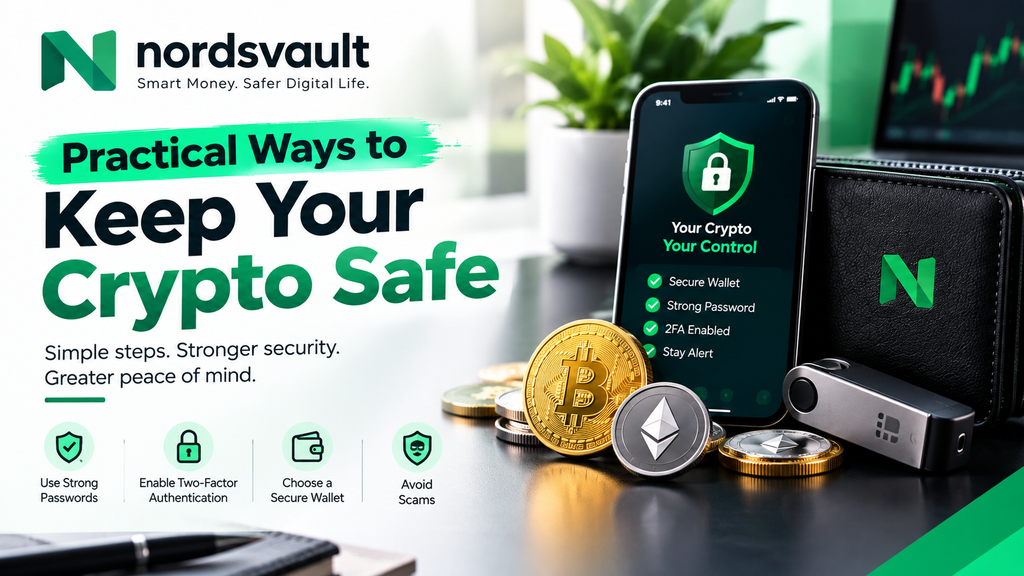
Below you will find the list of recommended steps for all crypto users, both novice and experienced:
- Never share your seed phrase with anyone– even if they claim to be “support staff”. No legitimate company will ever ask for your seed phrase.
- Use a hardware wallet For large amounts, a cold storage device like Ledger or Trezor is the safest option because it keeps private keys off the internet.
- Keep two-factor authentication (2FA) enabled at all times Use an authenticator app instead of SMS-based 2FA, as SIM swap attacks have become common.
- Use separate wallets Keep one wallet for daily transactions and another for long-term holdings, so that a compromise doesn’t wipe everything out at once.
- Always verify links and domains yourself Bookmark official sites instead of relying on search results, as fake ads can also appear at the top of search engines.
- Keep your software updated regularly install the latest security patches for wallet apps and browser extensions
What to Do If You Get Scammed
If you unfortunately fall victim to a scam, don’t panic — take these steps immediately:
- Secure your wallet right away If your seed phrase has been compromised, create a new wallet and transfer any remaining funds immediately.
- Report it to the exchange If the transaction went through a known exchange, notify their support team right away; funds can sometimes be frozen in time.
- Report to your local cybercrime authority File a complaint with agencies like the FIA Cyber Crime Wing (in Pakistan) or your country’s equivalent, so future victims can be protected.
- Warn the community Share your experience on social media so others don’t fall for the same scam.
Where Security Is Headed
As crypto adoption grows, wallet providers and exchanges are also improving their security measures. Biometric authentication, AI-based fraud detection, and multi-signature wallets are some of the new tools that have recently appeared on the market. However, even the most sophisticated software needs human intervention, which means that the battle against fraud is won or lost by the user’s security awareness.
Crypto opportunities and threats
The crypto space is full of opportunities, as well as threats to your assets. Only those who do their homework and do not act out of emotions can be successful in this arena.
Frequently Asked Questions
1. If my crypto is stolen, can it be recovered?
In most cases, no — blockchain transactions are irreversible. However, if the funds were sent to a known exchange, reporting it quickly may allow the account to be frozen. This is why prevention is always better than cure.
2. Is a hardware wallet 100% safe?
A hardware wallet is highly secure against online hacking, but if your seed phrase is exposed or the device itself is physically stolen, there’s still risk involved. Store your seed phrase offline in a secure location.
3. How can I tell a fake crypto exchange website from a real one?
Carefully check the URL for spelling mistakes or extra characters, verify the SSL certificate (https), and always access exchanges through a bookmark or the official app — never through search engine ads.
4. Can I share my seed phrase with a trusted friend or family member?
No. Your seed phrase should only ever be known to you. No matter how trusted someone is, sharing it hands them full control of your wallet.
5. Should I trust a crypto platform recommended by a celebrity?
Not unless you’ve verified it through multiple official sources. In 2026, deepfake videos are realistic enough that a celebrity endorsement alone should be treated as a red flag until proven otherwise.
6. What’s the first security step a new investor should take?
Turning on 2FA (via an authenticator app), storing your seed phrase offline, and verifying URLs before clicking any link — these three basic habits alone can prevent most common scams.
Conclusion
While crypto scams in 2026 are getting more sophisticated, there are several ways to protect yourself against them. The best way to avoid losing any funds to crypto scams is to keep your seed phrase secure and private. Other best practices include using hardware wallets, double-checking all links before clicking, and being wary of any “too good to be true” promotion.
The safety and security of an average crypto wallet are mainly dependent on the protection that its owner can provide. Furthermore, there is no holy grail to ensuring that one’s assets are safe in crypto. Nevertheless, every potential cryptocurrency owner should consider learning about the basics of keeping their funds and personal information secure in crypto-related platforms. For further reference, we recommend consulting our previous guide, How to Secure Your Digital Wallet: 12 Tips for 2026 , which includes more tips on crypto wallet security.