The Future of Artificial Intelligence (AI): Trends, Opportunities, and Challenges in 2026 and Beyond
The Future of Artificial Intelligence (AI)
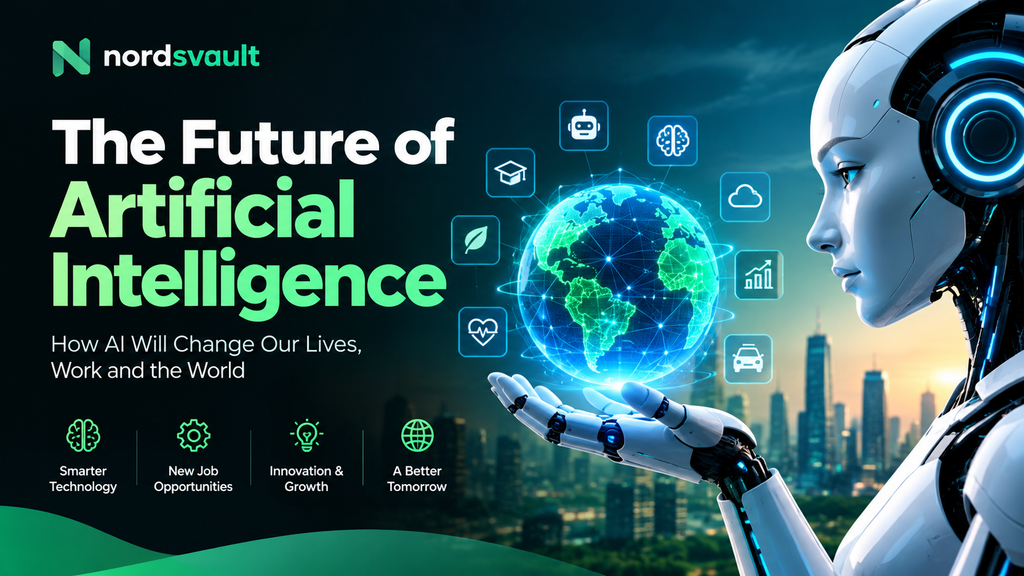
Artificial Intelligence (AI) is no longer merely a futuristic concept confined to movies and research laboratories; it has become a dynamic and evolving part of our daily lives. From ‘generative AI’ tools like ChatGPT and Claude to ‘AI agents’ capable of autonomously completing tasks, technology is advancing at a pace few could have predicted just five years ago. As we move into 2026, understanding the future of AI has become essential not only for those in the technology sector but also for students, business owners, and everyday internet users.
In this article, we will examine the key AI trends of 2026, the impact of ‘AI automation’ on various industries, the challenges facing the world, and the potential trajectory toward ‘Artificial General Intelligence’ (AGI).
What Makes AI the Biggest Trending Technology Right Now?
Global search interest in terms like “Artificial Intelligence, AI tools, Generative AI, and AI agents” has exploded over the past two years. Several factors are driving this trend:
- Accessibility Anyone with a smartphone can now use powerful AI tools for free or at a low cost.
- Productivity gains AI can complete tasks in seconds that used to take hours.
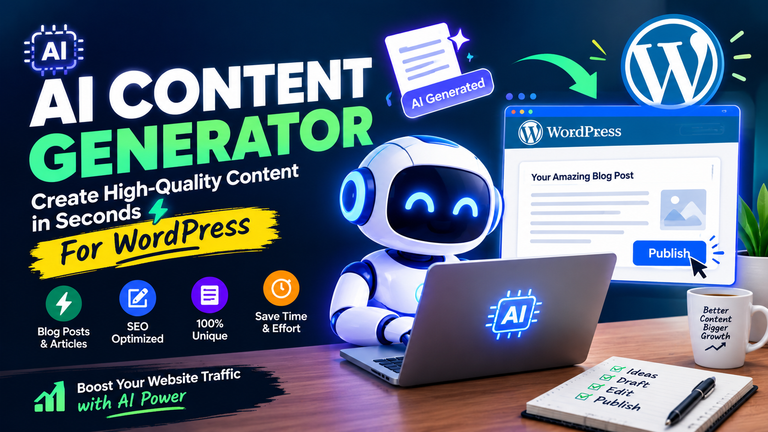
- Accelerated content creation Bloggers, marketers, and creators use AI daily for writing, designing, and editing.
- Business adoption Companies of all sizes are integrating AI into customer service, marketing, and operations.
This combination of accessibility and utility has made AI the most searched and discussed technology topic worldwide.
From Chatbots to AI Agents: The Next Big Shift
For years, AI was primarily about conversational chatbots tools capable of answering questions or generating text. However, the next evolution is Agentic AI, also known as AI agents.
What are AI agents?
Unlike a simple chatbot that merely responds to your messages, an AI agent can:
- Understand a goal (e.g., “Book me a flight to Dubai for next week”).
- Break it down into steps.
- Use tools or apps on your behalf.
- Complete the task with minimal human input.
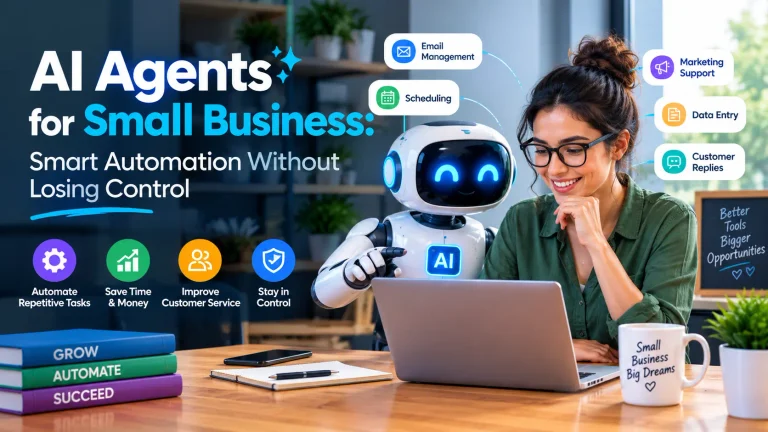
“Agentic AI” is currently a major buzzword in tech circles because it represents a shift in AI from a passive assistant to an active “doer.” Businesses are racing to build AI agents capable of managing emails, scheduling meetings, handling customer support, and even writing and deploying code.
Generative AI: Still Growing, Still Trending
Generative AI AI that creates new content such as text, images, video, music, and code is one of the top trending technology topics globally. Tools in this space include:
- Text generation (ChatGPT, Claude, Gemini)
- Image generation (Midjourney, DALLE)
- Video generation (Sora, Runway)
- Code generation (GitHub Copilot, Claude Code)
Generative AI is expected to continue growing because it directly saves time and money for individuals and businesses. Marketers use it for ad copy, students use it for research assistance, and developers use it to write and debug code faster.
The Impact of AI on the Workplace and Careers
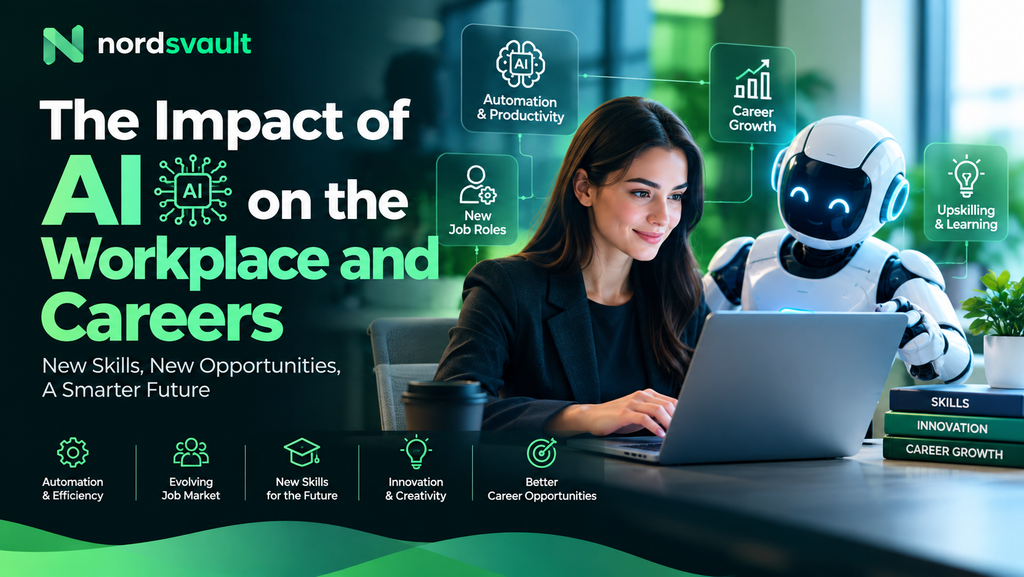
One of the most frequently asked questions today is: “Will AI take my job?” An honest answer is important AI will transform certain tasks, reshape many jobs, and create entirely new career paths.
Industries are being transformed by AI.
Industry How AI is transforming it.
- Healthcare Faster diagnosis, AI-assisted surgery, drug discovery
- Education Personalized learning, 24/7 AI tutors
- Finance Fraud detection, automated investment advice
- Software Development AI-assisted coding, testing, and debugging
- Marketing AI-generated content, ad targeting, SEO analysis
- Retail & E-commerce Personalized recommendations, chatbots, inventory forecasting
New jobs are emerging:
- Prompt engineers
- AI trainers and data annotators
- AI ethics and policy officers
- AI product managers
- AI automation experts
The key trend here is reskilling workers who learn to use AI tools effectively will have a significant career advantage over those who ignore this shift.
Smarter, more human-like AI models
Future AI systems are being designed to be far more capable than today’s tools. Major trends include:
- Better reasoning solving multi-step, logical problems more reliably
- Long-term memory retaining context over days or weeks, rather than just a single conversation
- Multimodal AI simultaneously understanding text, images, audio, and video within a single system
- Emotional intelligence detecting tone and emotion for more natural conversations
These advancements distinguish today’s “narrow AI” tools from the long-term vision of true general-purpose intelligence.
AI in everyday life: What’s next
AI is quietly becoming part of daily routines, often without people even realizing it. Expect to see more of the following trending applications:
- Smart homes that automatically adjust lighting, temperature, and security.
- AI health monitors that detect potential issues before symptoms appear.
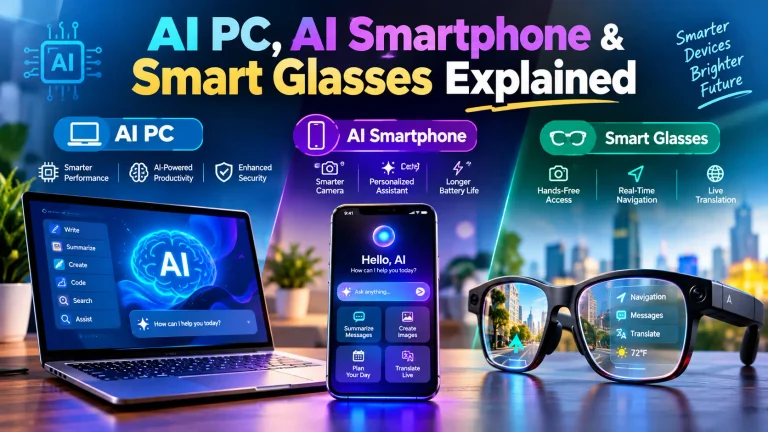
- Real-time translation that instantly eliminates language barriers.
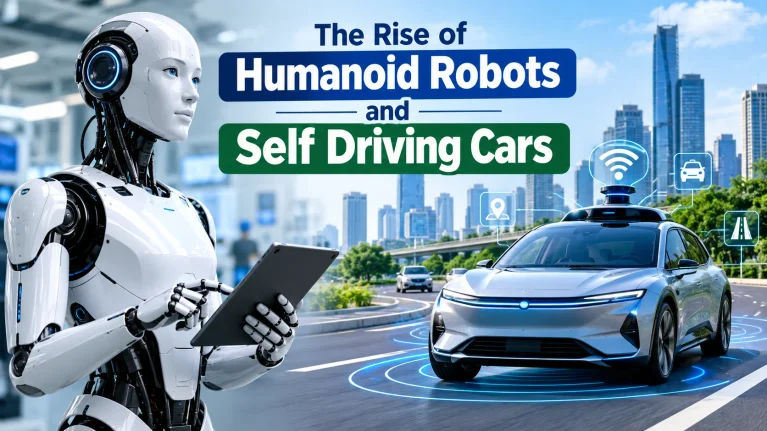
- Autonomous vehicles that reduce traffic accidents and congestion.
- AI-powered search engines that provide direct, conversational answers instead of just links.
Emerging technology trends are linked to AI.
The future of AI does not exist in isolation it is closely intertwined with other trend-setting technologies:
- 5G and Edge Computing High-speed networks allow AI to process data in real-time, closer to the user.
- Internet of Things (IoT) AI makes smart devices truly “smart” by learning from data.
- Quantum Computing Expected to eventually supercharge AI’s processing power.
- Blockchain and AI Combined for secure, transparent data verification.
- Robotics AI-powered robots for manufacturing, logistics, and even household chores.
Search trends show growing interest in how these technologies intersect with AI, making this a valuable content area for creators and marketers.
Challenges and Risks on the Road Ahead
No discussion about the future of AI is complete without addressing its risks:
Job Displacement
Automation can eliminate certain repetitive roles faster than it creates new jobs, necessitating large-scale workforce reskilling programs.
Privacy and Data Security
AI systems rely on massive amounts of data, raising valid concerns regarding how personal information is collected, stored, and used.
Bias and Fairness
AI models can inherit biases present in their training data; without careful auditing, this can lead to potentially unfair or erroneous outcomes.
Misinformation and Deepfakes
Increasingly realistic AI-generated images, audio, and video make it difficult to distinguish authentic content from fakes a growing concern for elections, journalism, and public trust.
Regulation
Governments worldwide are racing to establish AI laws and safety frameworks that protect consumers without stifling innovation. The EU AI Act, U.S. AI policies, and similar frameworks in other countries are shaping how companies develop and deploy AI responsibly.
The Road to Artificial General Intelligence (AGI)
One of the most debated and trending topics in AI research is Artificial General Intelligence (AGI) a hypothetical form of AI capable of understanding, learning, and performing any intellectual task that a human can, rather than being limited to specific functions. Today’s prominent AI models, including ChatGPT and Claude, are considered “Narrow AI”highly capable within specific domains but not true general-purpose thinkers. Experts are divided on when (or if) true AGI will be achieved, with predictions ranging from the next five years to several decades out.
This uncertainty is precisely what keeps AGI trending in search results; it represents both the greatest opportunity and the biggest unknown in the entire field of technology.
How to prepare for an AI-driven future
Whether you are a student, a professional, or a business owner, here is how to stay ahead of the curve:
- Learn to use AI tools Get hands-on experience with platforms like ChatGPT, Claude, or similar services.
- Understand prompt engineering Learn how to communicate effectively with AI systems.
- Stay updated on AI news Follow reliable tech sources to track rapid developments.
- Focus on uniquely human skills Creativity, critical thinking, empathy, and leadership are difficult to automate.
- Experiment with AI in your field Whether it’s marketing, coding, design, or customer service, find ways AI can boost your productivity.
What is the future of Artificial Intelligence?
The future of AI points toward smarter, more autonomous systems moving from simple chatbots to AI agents that can complete multi-step tasks, understand context over long periods, and work seamlessly across text, images, audio, and video.
Will AI replace human jobs?
AI will automate many repetitive and routine tasks, but it will also create new roles such as prompt engineers, AI trainers, and AI ethics officers. Most experts agree AI will transform jobs more than it eliminates them outright, making reskilling essential.
What is Agentic AI or an AI Agent?
An AI agent is a system that can understand a goal, break it into steps, and complete tasks with minimal human input such as booking travel, managing emails, or writing and deploying code unlike a basic chatbot that only responds to messages.
What is Artificial General Intelligence (AGI)?
AGI refers to a hypothetical AI that can understand, learn, and perform any intellectual task a human can, rather than being limited to specific functions. Today’s AI tools, including ChatGPT and Claude, are still considered “narrow AI.”
Is Generative AI still trending in 2026?
Yes. Generative AI including text, image, video, and code generation tools remains one of the most searched technology topics because it saves significant time for individuals, marketers, and businesses.
How can I prepare for an AI-driven future?
Learn to use AI tools hands-on, understand basic prompt engineering, stay updated on AI news, and focus on human skills like creativity and critical thinking that are harder to automate.
What industries will AI impact the most?
Healthcare, education, finance, software development, marketing, and retail are expected to see the biggest AI-driven transformations in the coming years.
Is AI dangerous?
AI carries real risks including bias, misinformation, privacy concerns, and job displacement but these risks are actively being addressed through regulation, safety research, and responsible AI development practices.